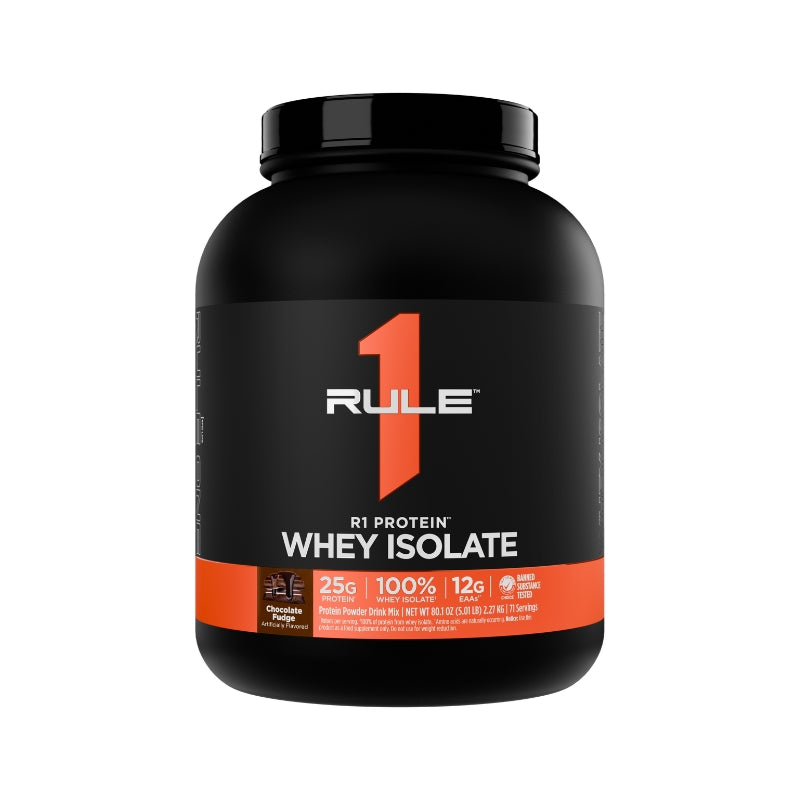
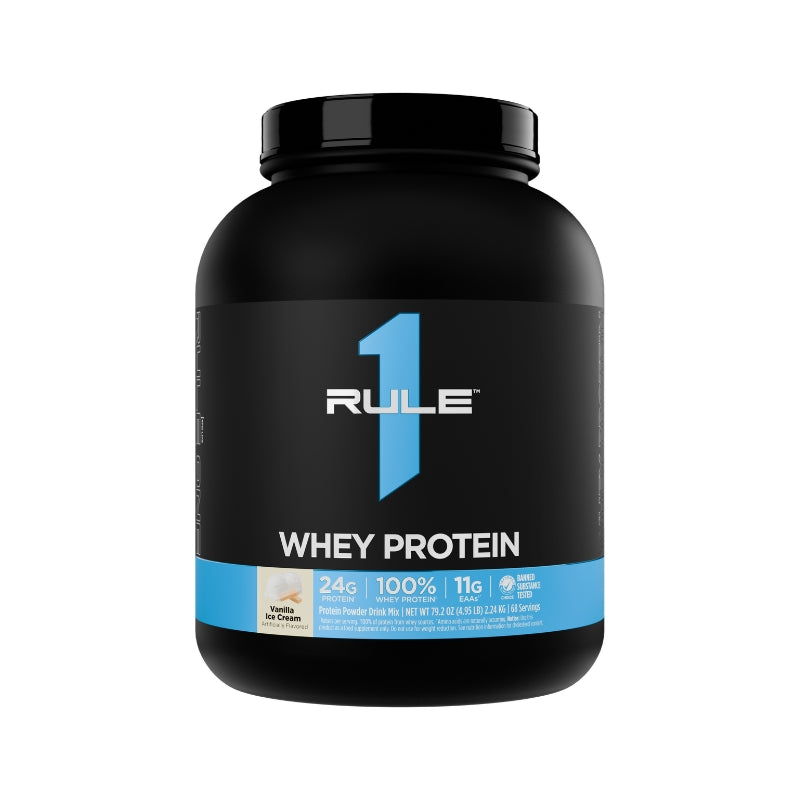
Protein is not a gym thing anymore and that changed everything
The biggest reason protein feels different now is simple, it is no longer living in the gym aisle alone.
Protein used to speak mostly to one crowd. People training hard chased:
muscle, post-workout recovery, muscle protein synthesis, weight loss, weight management, and reaching their daily amount of protein. Now it is speaking to almost everyone.
Snack bars, yoghurts, bottled drinks, cereals, protein shakes and convenience meals contain it. Half the products try to look healthier than they are. Somewhere along the way, protein powder supplements stopped being a specialist category.
It became mainstream and key for a balanced diet. More people now watch protein content and the amino acid profile of foods.
That kind of growth sounds like a win, and for the category it is. But it also means protein is no longer competing in a small space with a clear customer. Now part of everyday eating, marketing, and shopping habits. This means the demand is bigger, broader, and much noisier than before.
The category got crowded fast
Once protein became normal, everyone wanted in.
Brands wanted more high-protein products. Retailers wanted more whey protein powder options on shelf, alongside plant based protein powders and other alternatives. Customers wanted more ways to hit their intake without living off chicken and rice. Suddenly protein was not just a powder, it was a selling point, and that changed the pressure on the whole category.
That’s often where people reduce the conversation to, “protein is expensive now.”
But the bigger truth is that protein outgrew the system behind it. They built more products around it, often marketed as a convenient source of protein for busy lifestyles.
More customers expected it. More brands chased it. And once that happens, a category rarely stays simple or cheap.
More protein products, same ingredient pressure
A lot of protein powders still use whey. This includes whey protein concentrate and whey protein isolate. Whey comes from milk production. That matters because whey cannot appear in larger amounts just because the market got hotter.
So while protein became more mainstream, the ingredient base under much of the category still faced real limits. More demand does not automatically fix supply. In fact, it often does the opposite. It shows how tight supply is once everyone pulls from the same pool.
That is part of why the price feels rough. More people want protein, but many products they buy still use the same dairy-based ingredient source. Even when people look for complete proteins or diversify into plant options, the pressure on supply remains.
You are not paying for “just powder”
This is where a lot of people get annoyed. They look at a tub and think, how is that the number?
But the price tag is not only covering the protein itself. It covers sourcing, flavouring, formulation, manufacturing, packaging, freight, storage, labour, and standard retail costs. These costs sit between an ingredient and a finished product on the shelf.
In markets like protein powders in Australia, logistics and import costs can also play a role. So when protein prices climb, it is rarely because one single thing changed. Multiple parts of the chain usually got heavier at the same time. The ingredient matters, yes, but the finished product carries far more than the scoop.
The real reason protein feels expensive now
Protein feels expensive now because it outgrew the version of itself most people still have in their head.
People still see it as a simple supplement category. In reality, it has become a much bigger, busier market. More products use it, more people buy it, and manufacturers still struggle to source its ingredients.
Add the cost of turning those ingredients into finished products and getting them onto shelves. The result is what customers see now. This category still makes sense, but it no longer feels cheap.
For individuals with specific dietary needs, it can still be useful to speak with a healthcare professional to understand the right amount of protein and the best source of protein for their routine.
Bottom line
Protein did not suddenly become overpriced for no reason.
It became mainstream. It became crowded. More products, more routines, and more everyday buying habits pulled it in more than ever before. And once that happened, the pressure behind the category got a lot heavier.
That is why your tub feels more expensive now.
Not because protein stopped being worth buying. Everyone wants protein. Categories get messy when everyone wants the same thing.