Whatever Happened to Aminos?
Picture the gym floor in the mid-2000s. Ronnie Coleman was yelling “light weight, baby”, Jay Cutler was building quads that deserved their own postcode, and every serious lifter had a water bottle large enough to survive a natural disaster.
Inside it was rarely plain water.
Brightly coloured amino drinks were part of the uniform. BCAAs were sipped between sets, intra-workouts had a clear place in the supplement stack, and aminos were one of the most recognisable categories in gym culture.
Protein was already well established, but it had not taken over breakfast, yoghurt, cereal, coffee, snacks and half the supermarket yet. Aminos had more room to shine, and their role in a training routine was easier to understand.
Then protein went mainstream.
Now, protein is everywhere, while aminos have slowly moved into the background. Not because they stopped having a purpose, but because fewer people know what that purpose is.
So, let’s clear it up.
Protein and Aminos Are Connected, Not Interchangeable
Protein is made up of amino acids. When you eat protein, your body breaks it down into these smaller compounds and uses them for processes including muscle growth, maintenance and repair.
Your body uses 20 amino acids to build protein, but it cannot make all of them itself. Nine are known as essential amino acids because they need to come from your diet. The remaining 11 can generally be made by the body, although some may become conditionally essential when the body is under greater physical stress.
That does not mean non-essential amino acids are unimportant. It simply describes where they come from.
This is why protein powders and amino supplements are closely connected, but still different. Protein contributes to your overall daily intake, while an amino supplement delivers specific amino acids in a lighter, more targeted format.
Why Protein Became the Default
Protein supports muscle growth, muscle maintenance, recovery and tissue repair. It can also help make meals and snacks feel more satisfying, which is why it now appeals to far more people than bodybuilders alone.
You can get protein through foods such as meat, fish, eggs, dairy, tofu, soy and legumes. Protein powder simply gives you a convenient way to add more when food is not practical or your intake is falling short.
That flexibility is a big reason protein has become so dominant. It works after training, but it also works at breakfast, between meals or whenever your nutrition needs backup.
Protein is no longer just a sports supplement. It has become part of everyday nutrition.
If you are not eating enough protein across the day, that is usually the first place to focus. Aminos are not designed to replace a low-protein diet.
Where Aminos Still Fit
Aminos are generally used around training because they are light, easy to drink and simple to sip through a session.
They are often chosen by people who train early, complete longer or higher-volume sessions, or simply want something lighter than a shake while they train. They may also suit people whose overall protein intake is already well covered.
A protein shake may work well after training, but it is not always what you want sitting in your stomach halfway through a heavy session. Aminos give you a different option for that moment.
They are not a meal replacement or a shortcut around eating enough protein. They are a training-focused tool that can sit alongside a solid nutrition routine.
EAAs vs BCAAs: What Is the Difference?
BCAAs are part of the essential amino acid family, meaning your body cannot produce them on its own.
|
EAAs |
BCAAs |
|
|
What does it stand for? |
Essential amino acids |
Branched-chain amino acids |
|
What do they contain? |
All nine essential amino acids |
Leucine, isoleucine and valine |
|
Can your body make them? |
No |
No |
|
How are they related? |
The complete essential amino acid group |
Three amino acids within that group |
|
Why are they used? |
A broader amino acid option |
A simple, commonly used intra-workout option |
The easiest way to remember it is that all BCAAs are EAAs, but not all EAAs are BCAAs.
EAAs offer the broader amino acid profile because they contain all nine essential amino acids. BCAAs provide three and became especially popular as an easy intra-workout drink.
Some amino products also include electrolytes or other training-focused ingredients, so it is worth looking at the full formula rather than only the letters on the label.
Protein Did Not Make Aminos Pointless
Protein became more visible, more versatile and easier for the average person to understand. Aminos became less obvious.
That does not mean one replaced the other.
Protein supports your overall nutrition across the day. Aminos offer a lighter, more targeted option around training.
One helps cover the bigger picture. The other still earns its place in the session.
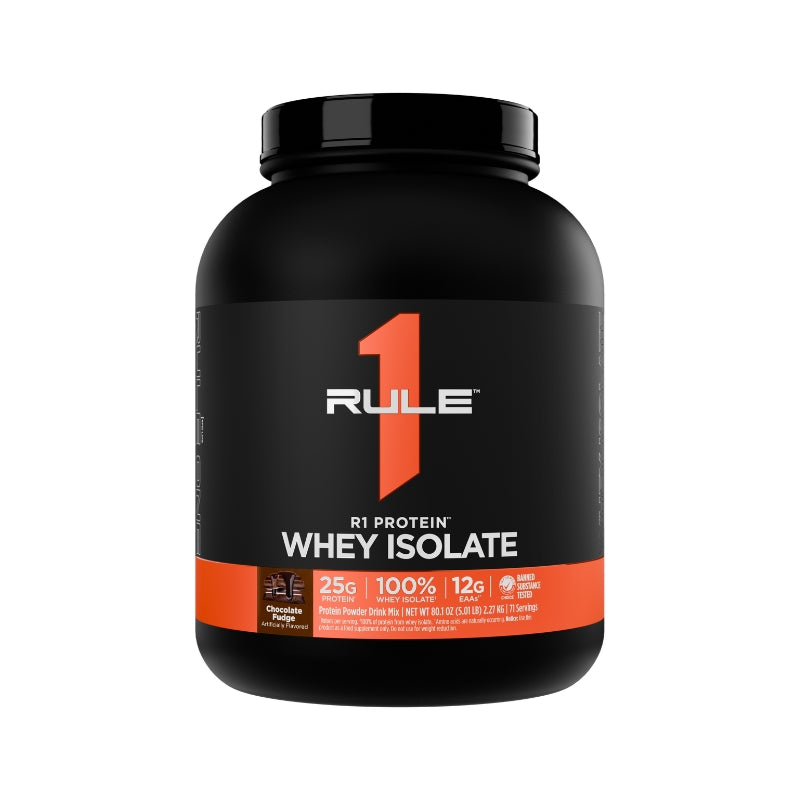
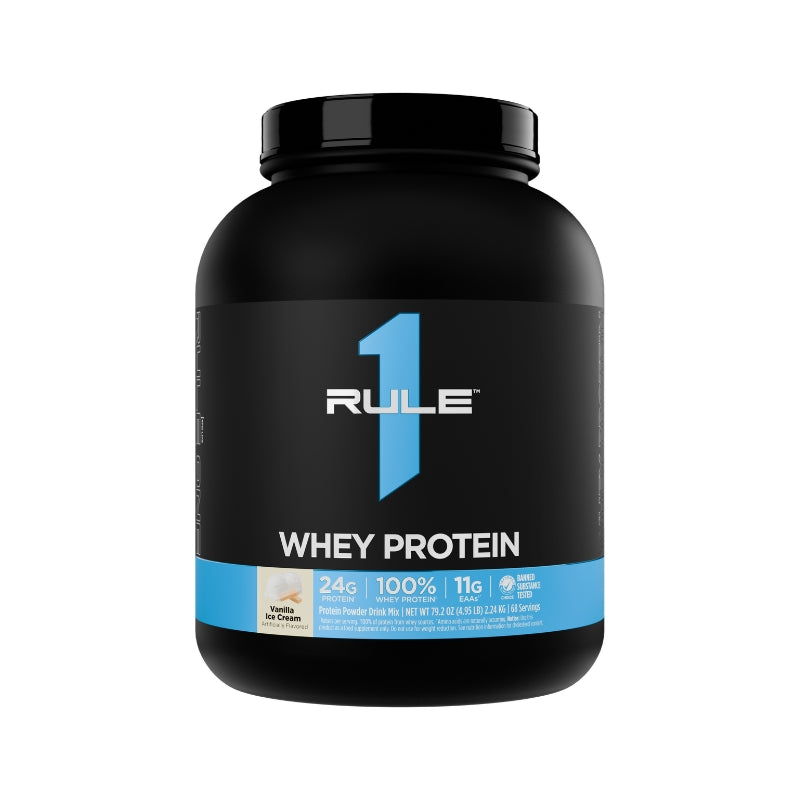
Shop protein and amino acids at FIT Nutrition and choose the support that fits the way you train.