Protein shopping has gotten a little ridiculous.
What should be a quick add to cart somehow turns into comparing whey, isolate, plant, collagen, casein, and mass gainers like you are making a major life decision. You’re not. You just need to know which one actually suits you.
Because not every protein is built for the same thing. Some are easy everyday options, some are leaner, some work better for dairy-free lifestyles, and some are doing a completely different job altogether.
So before you buy based on flavour, hype, or whatever tub is having its viral moment, here is what each protein is actually good for.
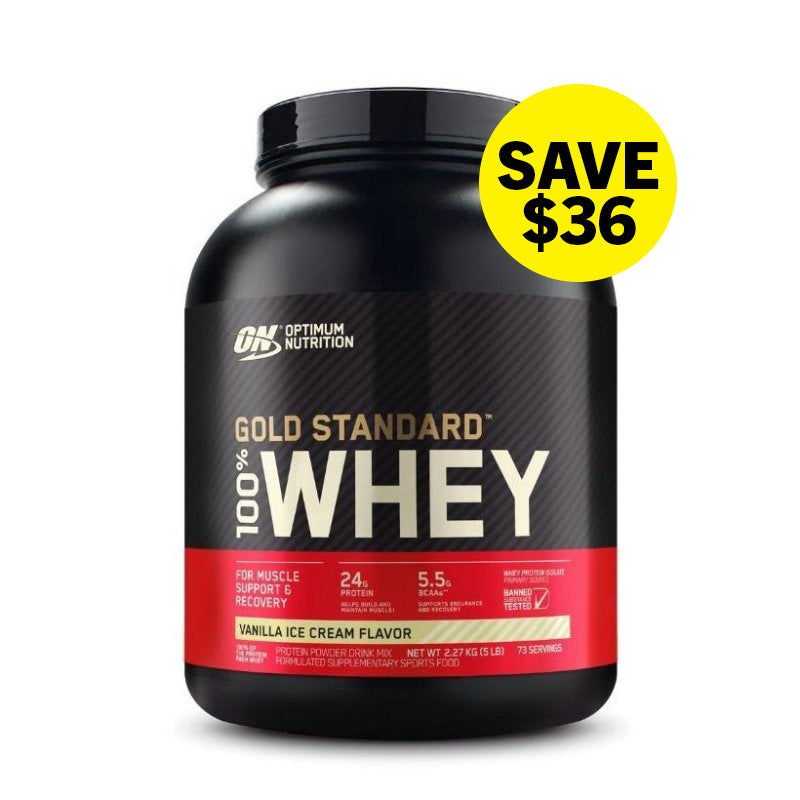
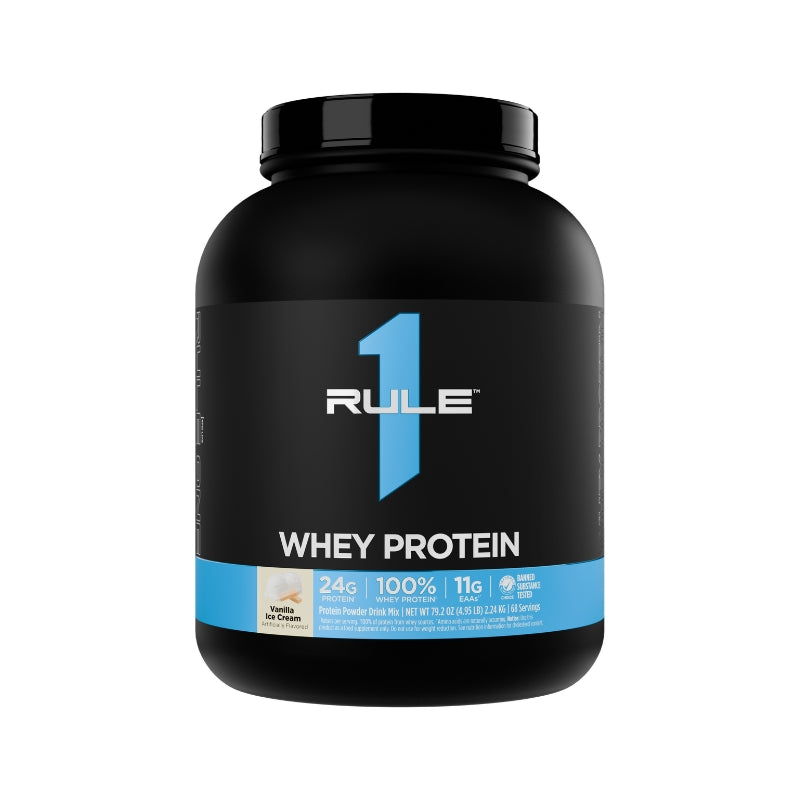
Whey Blend
Whey blend is the no-drama option.
It is usually made from a mix of whey concentrate and whey isolate, which gives you a balance of protein, flavour, texture, and value. It is not the leanest protein on the shelf, but that is not really the point. This one is about convenience, versatility, and being easy to use on repeat.
If you want a protein that fits into real life, breakfast, post-workout, between meals, busy afternoons, whey blend usually makes the most sense.
Best for: Everyday protein support, general wellness, recovery, convenient daily use
Suitable for: People who want an easy, versatile protein option
Not ideal for: Vegans, dairy-free shoppers, or those who are highly sensitive to lactose, as whey blends often still contain some lactose
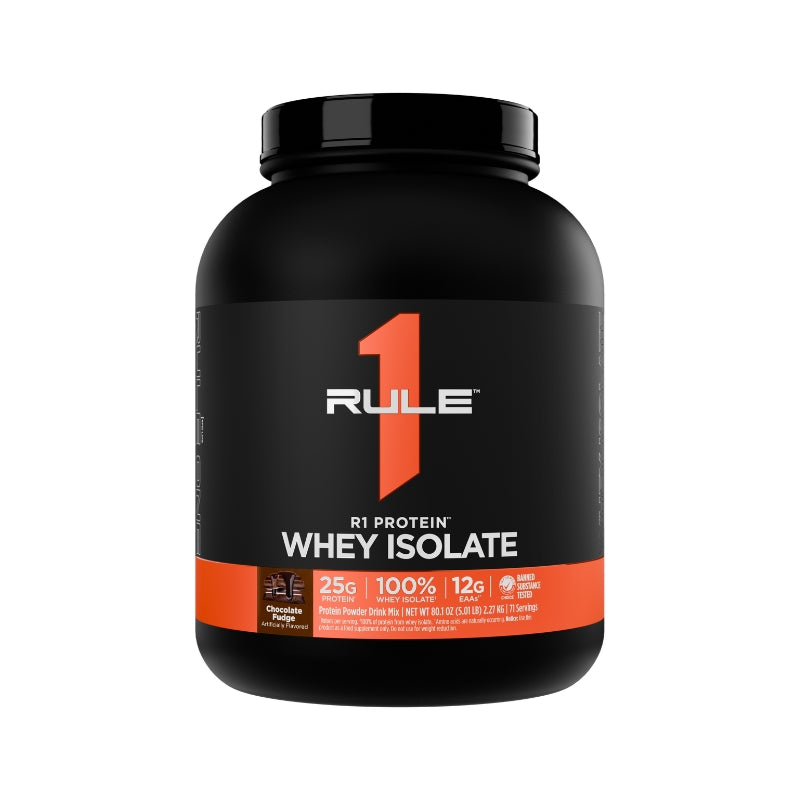
WPI
WPI is for people who want the protein, not the extras.
Short for whey protein isolate, WPI goes through extra filtration to remove more of the fat, carbs, and lactose, leaving a higher protein percentage per serve. That is why it is usually seen as the leaner, cleaner option.
It is a popular choice when you want something lighter in your routine, or you are more conscious of keeping things high in protein and lower in everything else. It can also work better for people who do not always feel great on regular whey blends.
Best for: Leaner goals, lighter shakes, lower-lactose options, post-workout recovery
Suitable for: People wanting a higher-protein, lower-lactose whey option
Not ideal for: Vegans or anyone avoiding dairy completely, because it is still milk-derived, even if it is lower in lactose than a blend
Mass Gainer
Mass gainer is for when a standard protein is simply not enough.
These formulas combine protein with extra calories, usually from carbohydrates, to help support a calorie surplus. Because if your goal is size, protein matters, but total intake matters too. A lot.
So if you are someone who struggles to eat enough, gets full quickly, or feels like a regular shake is barely making a dent, mass gainer exists for exactly that reason.
It is not subtle, and it is not meant to be.
Best for: Gaining size, increasing calories, bulking phases, extra daily intake
Suitable for: Hard gainers, people with high energy needs, those trying to put on mass
Not ideal for: Anyone chasing a leaner protein option, lower-calorie goals, or a lighter everyday shake. Also not suitable for vegans or dairy-free shoppers unless choosing a specifically plant-based mass gainer
Plant Protein
Plant protein is not the backup option, it is the right option for the right person.
Usually made from sources like pea protein, brown rice protein, or blended plant proteins, these formulas are designed to give you a convenient way to stay on top of your intake without relying on dairy.
If you are vegan, dairy-free, or just know whey is not for you, this is the lane. It gives you flexibility without forcing your routine around something that does not suit how you eat.
Best for: Dairy-free lifestyles, vegan diets, general protein support
Suitable for: Vegans, vegetarians, dairy-free shoppers, people wanting a non-whey option
Not ideal for: Those specifically wanting a traditional dairy-based protein, or people who strongly prefer the taste and texture of whey
Casein
Casein is not fast, and that is exactly the point.
Like whey, it comes from milk, but it digests much more slowly. That slower release is why people often use it before bed or during long gaps between meals. Instead of a quick hit, it gives you more sustained protein support over time.
So if you are looking for a slower-release option, casein makes a lot more sense than a faster-digesting protein.
Best for: Overnight support, slower digestion, longer gaps between meals
Suitable for: People wanting a more sustained protein option, especially at night
Not ideal for: Vegans, dairy-free shoppers, and people sensitive to milk proteins or lactose, as casein is dairy-based and does contain lactose
Collagen
Collagen is a different conversation, and that is why people get confused by it.
It is still a protein, but it is not usually the go-to when your only focus is muscle. Collagen is more often chosen for support around skin, joints, tendons, ligaments, and connective tissue. So rather than sitting in the classic sports nutrition lane, it leans more into recovery, structural support, and long-term body care.
It is less about chasing more muscle, more about looking after the parts that hold everything together.
Best for: Skin support, joint support, connective tissue support, long-term body care
Suitable for: People focused on beauty, recovery support, active ageing, or joint and tissue health
Not ideal for: Vegans or vegetarians, as collagen is animal-derived. It is also not usually the best standalone choice if your main goal is a complete muscle-building protein
So what should you actually pick?
-
If you want a simple everyday option, go whey blend.
-
If you want something leaner and lower in lactose, WPI usually makes more sense.
-
If your goal is size and you need more calories as well as protein, look at a mass gainer.
-
If you are vegan, dairy-free, or just do not want whey, plant protein is the clear fit.
-
If you want slower-digesting support that lasts longer, casein is worth considering.
-
If your priorities are more around skin, joints, and connective tissue, collagen plays a different but valuable role.
The bottom line
You do not need the loudest tub on the shelf.
You need the one that fits your body, your routine, and what you actually want help with.
Once you know what each protein is there to do, the whole thing gets a lot easier, and a lot less annoying.